
The psychology behind why we gamble Understanding the mental triggers
The allure of risk-taking
The thrill of gambling often stems from the inherent risk it entails. Many individuals are naturally drawn to activities that present uncertainty, seeking the adrenaline rush associated with potential wins. This risk-taking behavior can be traced back to evolutionary psychology, where taking risks could lead to greater rewards in survival and resource acquisition. For those interested in gambling online, it’s essential to understand these underlying factors that drive behavior in this domain.
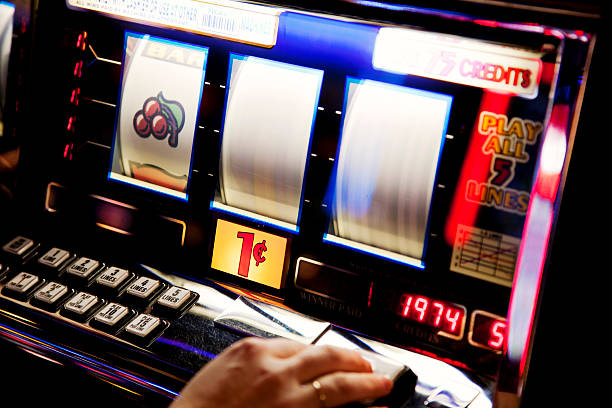
Additionally, the chance of winning large sums of money serves as a significant motivator. The possibility of transforming a small bet into a life-changing amount can create excitement that overshadows the potential for loss. This combination of thrill and reward is a powerful driver of gambling behavior.
The role of cognitive biases
Cognitive biases play a crucial role in how people perceive gambling outcomes. One common bias is the “gambler’s fallacy,” where individuals believe that past outcomes affect future probabilities. This misconception can lead to increased gambling as players think they can predict their luck based on prior results.
Another bias is the illusion of control, where gamblers believe they have influence over random outcomes, such as in games of chance. This belief can encourage continued play, as individuals feel empowered by their perceived ability to influence the outcome, despite the randomness inherent in such games.
The emotional triggers
Emotions significantly influence gambling behavior. Many individuals gamble to escape from stress, anxiety, or depression, seeking solace in the excitement of wagering. This emotional aspect often leads to problematic gambling, where individuals rely on the activity as a coping mechanism, further entrenching their behavior. It’s crucial for players to recognize these patterns to avoid falling into unhealthy habits.
Moreover, positive emotions associated with winning can reinforce gambling habits. The rush of excitement after a win can create a feedback loop, encouraging players to chase further wins, despite the risks involved. These emotional triggers can thus contribute to the development of a gambling addiction, as players seek to replicate the euphoric feelings experienced during their victories.
The influence of social factors
Social interactions also play a significant role in gambling behavior. Many individuals are introduced to gambling through social settings, where the experience is enhanced by the presence of friends or family. This social aspect can create a sense of belonging and community, making gambling a shared activity that strengthens social bonds.
Additionally, social media and peer influence can amplify gambling behaviors. With the rise of online gambling platforms, the visibility of friends’ wins can spark competition and encourage individuals to gamble more frequently. The social pressure to participate can significantly affect one’s gambling habits, as individuals may feel compelled to join in for fear of missing out.

About this website
This website serves as a comprehensive resource for those interested in understanding the gambling industry. It provides valuable insights, up-to-date news, and analysis to help users navigate the complexities of gambling behavior and trends. By offering a wealth of information, the site aims to inform and educate both enthusiasts and professionals alike.
Moreover, the commitment to maintaining a secure environment ensures that visitors can explore the content with confidence. Whether you are looking to deepen your understanding of gambling psychology or stay informed about the latest developments, this site is dedicated to enhancing your knowledge and experience in the industry.

About the author